
Mgahinga Gorilla National Park Uganda – Hike, Trek & Meet the Gentle Giants
Park Overview
Mgahinga Gorilla National Park is the smallest of Uganda’s national parks, but it packs a powerful punch. Nestled in the southwestern corner near the borders of Rwanda and the DRC, this park protects the Ugandan portion of the Virunga Mountains.
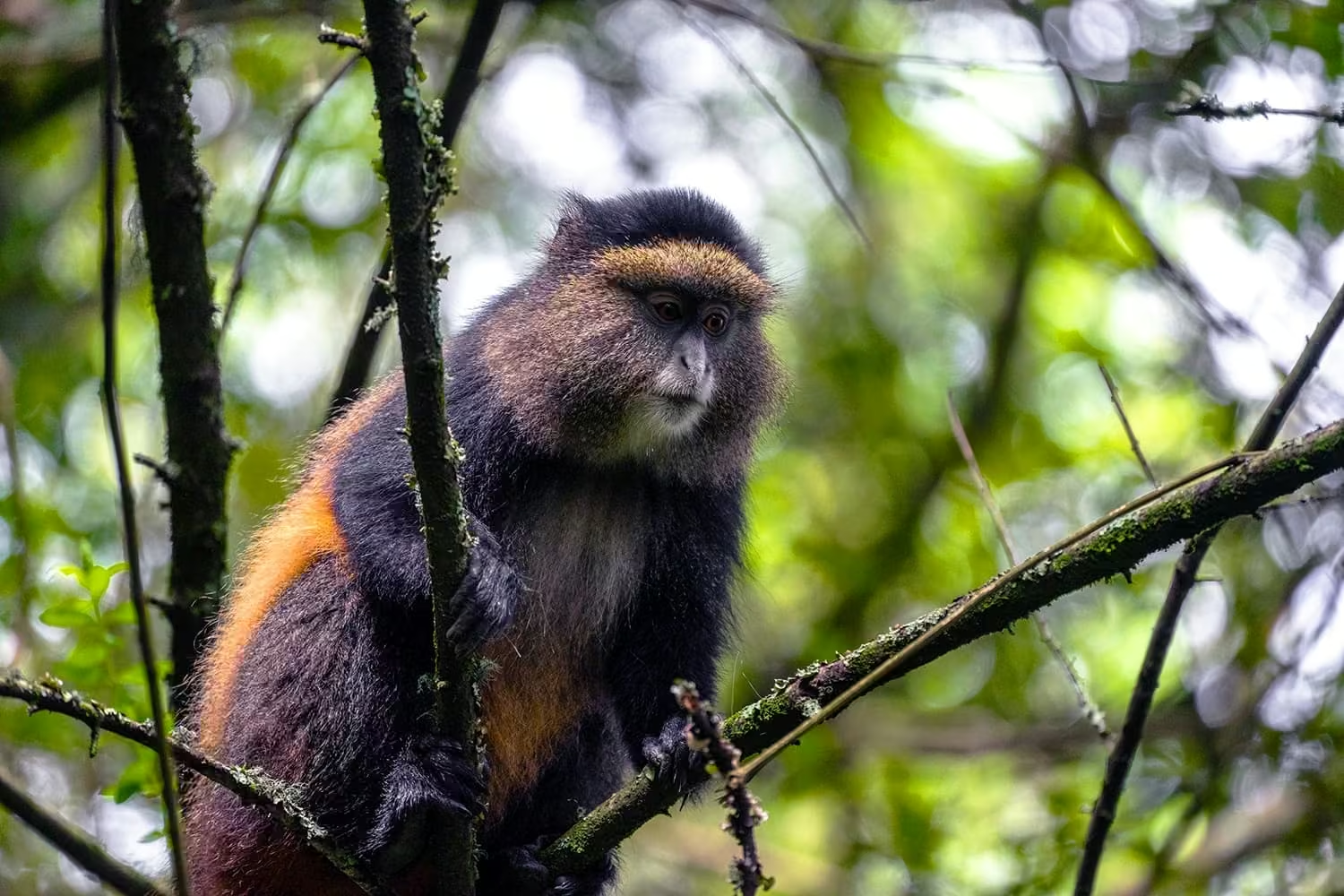
The park is best known for mountain gorilla trekking, offering a less crowded alternative to Bwindi. Mgahinga is also home to golden monkeys, unique volcanic peaks, and the indigenous Batwa people who once lived in the forest.
Hiking, culture, and wildlife come together here for a powerful travel experience in a truly dramatic setting.
Best Time to Visit Mgahinga National Park
| Season | What to Expect |
|---|---|
| Jun – Sep | Dry and clear, best for trekking and gorilla tracking |
| Oct – Nov | Some rain, but still good for hikes and fewer crowds |
| Dec – Feb | Warm and dry, good for trekking and sightseeing |
| Mar – May | Rainy but very green and scenic |
Tip: Gorilla treks run year-round but are easiest in the dry season.
Top Things to Do in Mgahinga National Park
Go gorilla trekking in the misty bamboo forests
Track golden monkeys on a guided forest walk
Hike Mount Sabinyo, Gahinga, or Muhavura
Take part in the Batwa cultural trail with local guides
Enjoy peaceful nature walks and birdwatching
Frequently Asked Questions (FAQ)
Q: Can I track gorillas in Mgahinga?
A: Yes, the Nyakagezi group is habituated and available for treks year-round.
Q: What makes Mgahinga different from Bwindi?
A: Mgahinga is smaller, quieter, and also includes volcano hiking and golden monkey trekking.
Q: Is it safe to hike the volcanoes?
A: Yes, guided hikes are well-managed and scenic, but require moderate fitness.
Q: How do I get to Mgahinga National Park?
A: Drive from Kisoro town or fly to Kisoro Airstrip from Entebbe.
Why Visit Mgahinga?
Mgahinga National Park Uganda is a one-stop destination for mountain gorillas, golden monkeys, hiking, and cultural immersion. With fewer visitors and dramatic landscapes, it offers a quiet and unforgettable safari experience.