
Kibale Forest National Park Uganda – Chimpanzee Tracking & Rainforest Treks
Park Overview
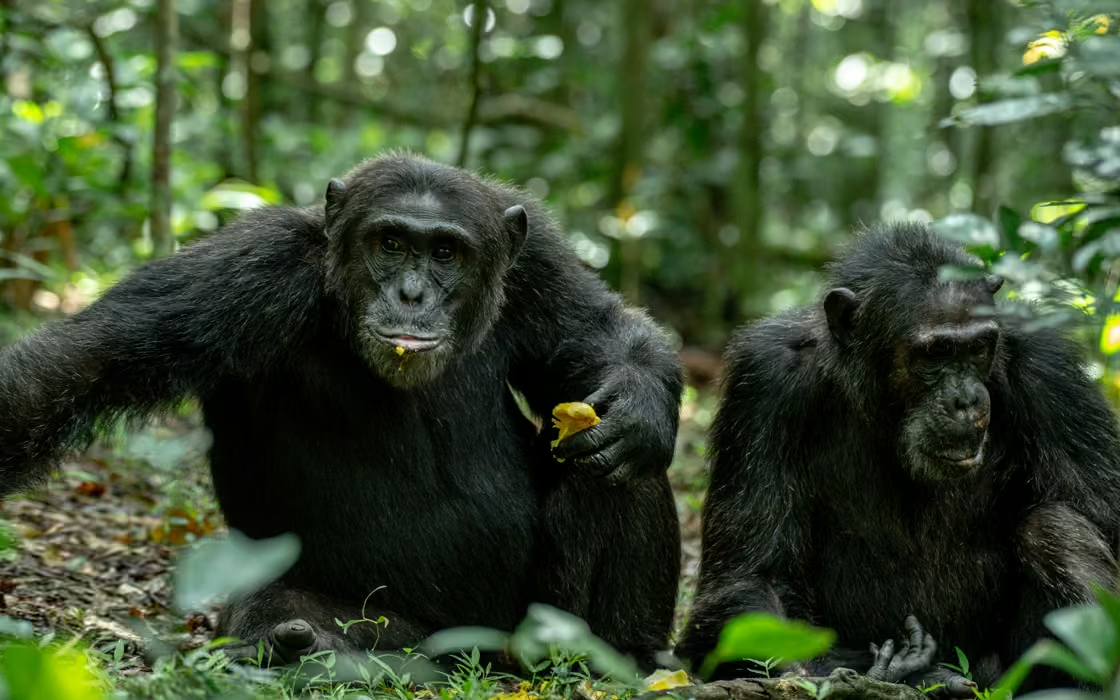
Kibale Forest National Park is Uganda’s top destination for chimpanzee tracking. Located in western Uganda, this lush rainforest covers over 795 square kilometers and is home to more than 1,500 chimpanzees and 12 other primate species.
Visitors to Kibale enjoy guided treks through tropical forest, observing chimpanzees up close as they swing, feed, and socialize in their natural environment. The park also offers incredible birdwatching, forest hikes, and cultural experiences in nearby communities.
With dense canopies, rich biodiversity, and professional guides, Kibale is a must-visit for nature lovers and wildlife photographers.
Best Time to Visit Kibale Forest
| Season | What to Expect |
|---|---|
| Jun – Sep | Dry season, best for trekking and wildlife viewing |
| Oct – Nov | Light rains, fewer crowds, lush green forest |
| Dec – Feb | Ideal conditions for chimp tracking and birding |
| Mar – May | Rainy season, slippery trails but very green |
Tip: Morning chimpanzee treks offer the best chance to see active primates.
Top Things to Do in Kibale
Go chimpanzee trekking with expert trackers
Enjoy birdwatching tours (over 370 species!)
Take guided nature walks through the forest canopy
Visit Bigodi Wetland Sanctuary for wildlife and community tourism
Explore nearby cultural villages and learn traditional lifestyles
Frequently Asked Questions (FAQ)
Q: How long is the chimpanzee trek in Kibale?
A: Trekking typically lasts 2–4 hours depending on chimpanzee location and activity.
Q: Is Kibale Forest safe to visit?
A: Yes, guided treks are safe and well-organized by professional rangers.
Q: Can I photograph the chimpanzees?
A: Yes, photography is allowed but no flash, and respect distance rules.
Q: What other parks are near Kibale?
A: Queen Elizabeth National Park and Semuliki are nearby for combined tours.
Why Visit Kibale Forest?
Kibale Forest National Park Uganda is an unmatched destination for chimpanzee tracking and immersive rainforest experiences. With rich biodiversity, quiet trails, and expert guides, it delivers unforgettable wildlife encounters in one of Africa’s best-preserved forests.