
Lake Mburo National Park Uganda – Safari Close to Kampala
Park Overview
Lake Mburo National Park is Uganda’s closest national park to Kampala and Entebbe, making it perfect for short safaris. Covering 370 square kilometers, it’s small but rich in wildlife and known for its open savannas, lakes, and acacia woodlands.
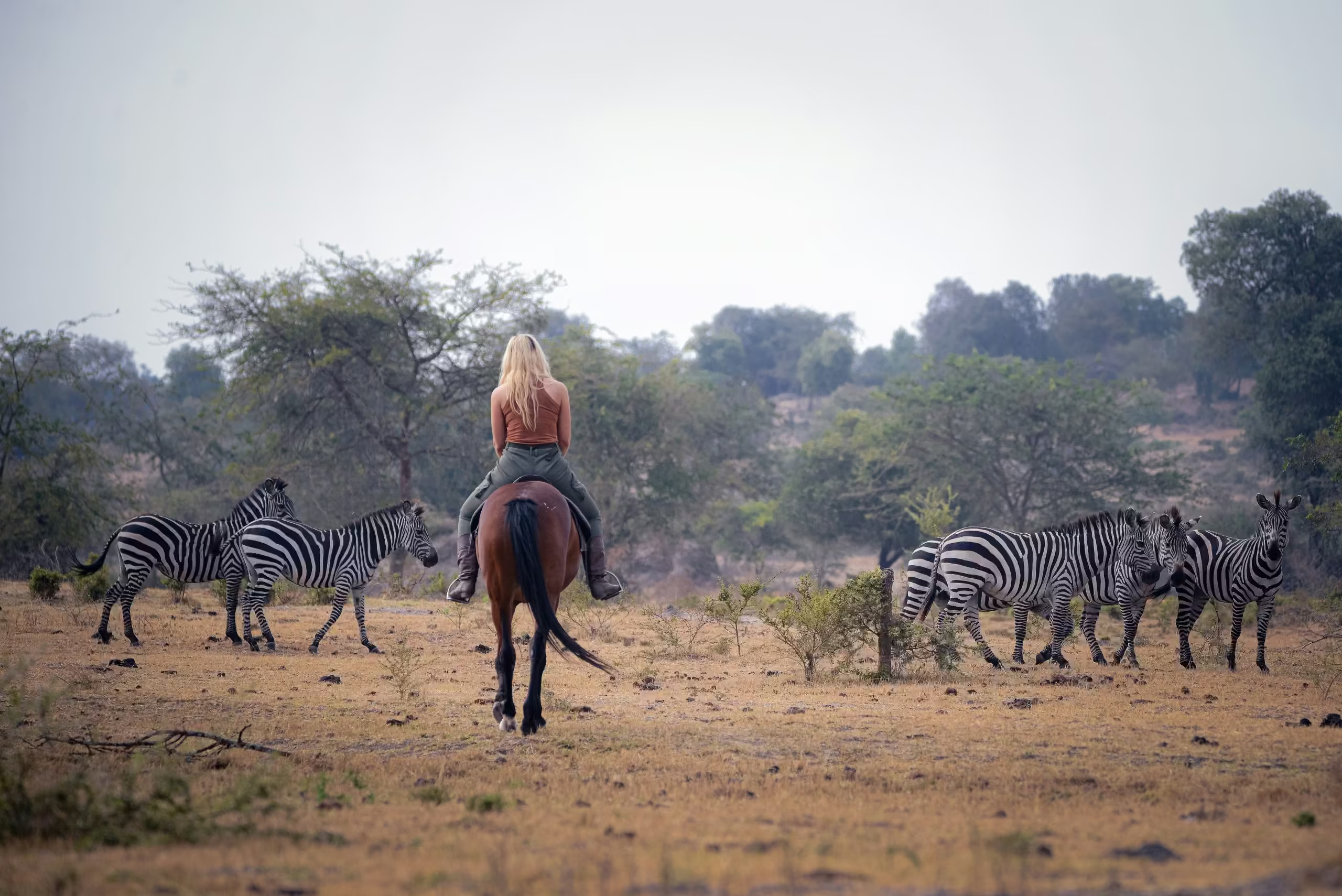
Lake Mburo is home to zebras, impalas, warthogs, buffaloes, and over 350 bird species. It’s the only park in Uganda where you can go on guided walking safaris, cycling tours, and horseback rides alongside wildlife.
It’s a peaceful park and an excellent stopover for travelers heading to or from western Uganda.
Best Time to Visit Lake Mburo National Park
| Season | What to Expect |
|---|---|
| Jun – Sep | Dry season, great for walks and wildlife viewing |
| Oct – Nov | Light rains, green landscapes, fewer tourists |
| Dec – Feb | Dry and sunny, excellent for all activities |
| Mar – May | Rainy but still accessible and very scenic |
Tip: Wildlife gathers around water sources during the dry months.
Top Things to Do in Lake Mburo National Park
Game drives to see zebras, buffaloes, impalas, and more
Go on a walking safari with an armed guide
Take a boat cruise on Lake Mburo for hippos and birds
Try a cycling safari for a fun and active experience
Enjoy a horseback safari through savanna trails
Frequently Asked Questions (FAQ)
Q: How far is Lake Mburo from Kampala?
A: It’s about a 3.5–4 hour drive from Kampala or Entebbe.
Q: Is walking with animals safe?
A: Yes, walking safaris are led by armed and trained Uganda Wildlife Authority rangers.
Q: What animals can I see at Lake Mburo?
A: Expect zebras, impalas, buffaloes, hippos, warthogs, and lots of birds.
Q: Can I visit Lake Mburo on a short trip?
A: Absolutely. It’s the perfect weekend or overnight destination.
Why Visit Lake Mburo?
Lake Mburo National Park Uganda offers one of the most accessible safari experiences in the country. With short travel times, walking adventures, and diverse wildlife, it’s a top choice for first-time visitors or short-stay travelers.