
Queen Elizabeth National Park Uganda – Classic Big Game Safari & Scenic Wonders
Park Overview
Queen Elizabeth National Park is Uganda’s most popular and diverse safari destination. Located in the southwest, the park spans savannas, wetlands, and crater lakes across over 1,900 square kilometers.
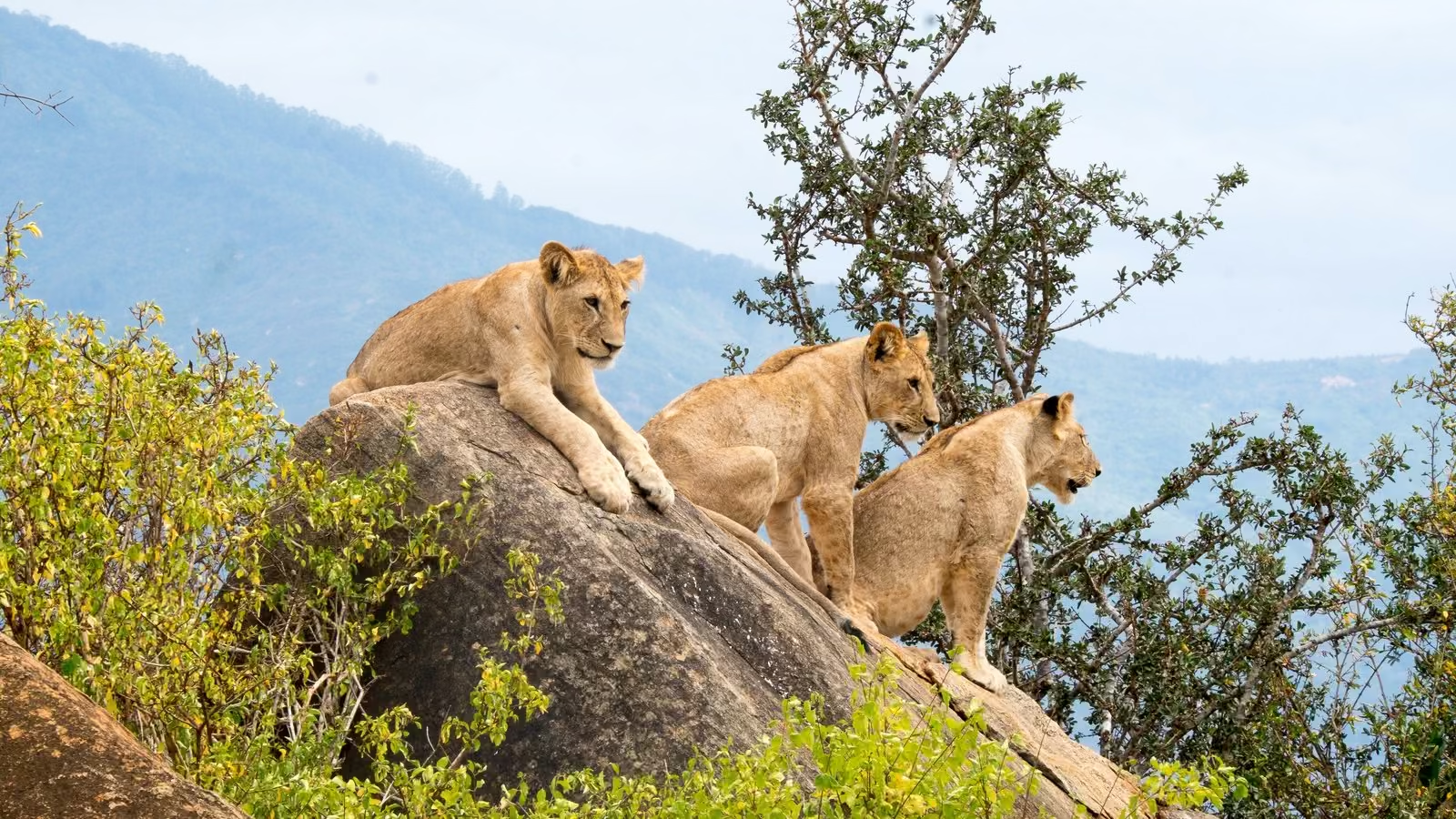
The park is famous for its tree-climbing lions, elephant herds, hippos, and over 600 bird species. Visitors can enjoy classic game drives, boat safaris on the Kazinga Channel, chimpanzee trekking in Kyambura Gorge, and cultural encounters with nearby communities.
It’s part of the Queen Elizabeth Biosphere Reserve and ideal for first-time or repeat safari travelers looking for variety and breathtaking views.
Best Time to Visit Queen Elizabeth National Park
| Season | What to Expect |
|---|---|
| Jun – Sep | Dry season, ideal for game drives and boat cruises |
| Oct – Nov | Short rains, fewer crowds, lush landscapes |
| Dec – Feb | Dry and sunny, great for wildlife and photography |
| Mar – May | Rainy but green; some tracks may be slippery |
Tip: Wildlife gathers around the Kazinga Channel in dry months.
Top Things to Do in Queen Elizabeth National Park
Go on a game drive through Kasenyi Plains and Ishasha sector
Take a boat safari along the Kazinga Channel to see hippos, crocs, and birds
Track chimpanzees in the Kyambura Gorge
Visit the scenic Katwe Crater Lakes region
Enjoy community and cultural tours with local guides
Frequently Asked Questions (FAQ)
Q: Are there tree-climbing lions in Queen Elizabeth NP?
A: Yes, they are mostly found in the Ishasha sector of the park.
Q: Can I do a boat safari in the park?
A: Absolutely. The Kazinga Channel cruise is one of the top activities.
Q: Is Queen Elizabeth good for birdwatching?
A: Yes, it’s one of the best birding spots in Africa with over 600 species.
Q: How do I get to Queen Elizabeth NP?
A: Drive from Kampala (~6–7 hours) or fly to Mweya Airstrip.
Why Visit Queen Elizabeth?
Queen Elizabeth National Park Uganda offers a perfect blend of wildlife, landscapes, and cultural experiences. From tree-climbing lions to boat cruises and crater lakes, it’s a top choice for unforgettable safaris.