
Bale Mountains National Park Ethiopia – Alpine Wildlife & Scenic Trekking
Park Overview
Located in southeastern Ethiopia, Bale Mountains National Park is one of the country’s least explored treasures. Stretching over 2,200 square kilometers, it includes high-altitude plateaus, dense forests, alpine meadows, and bubbling volcanic springs.
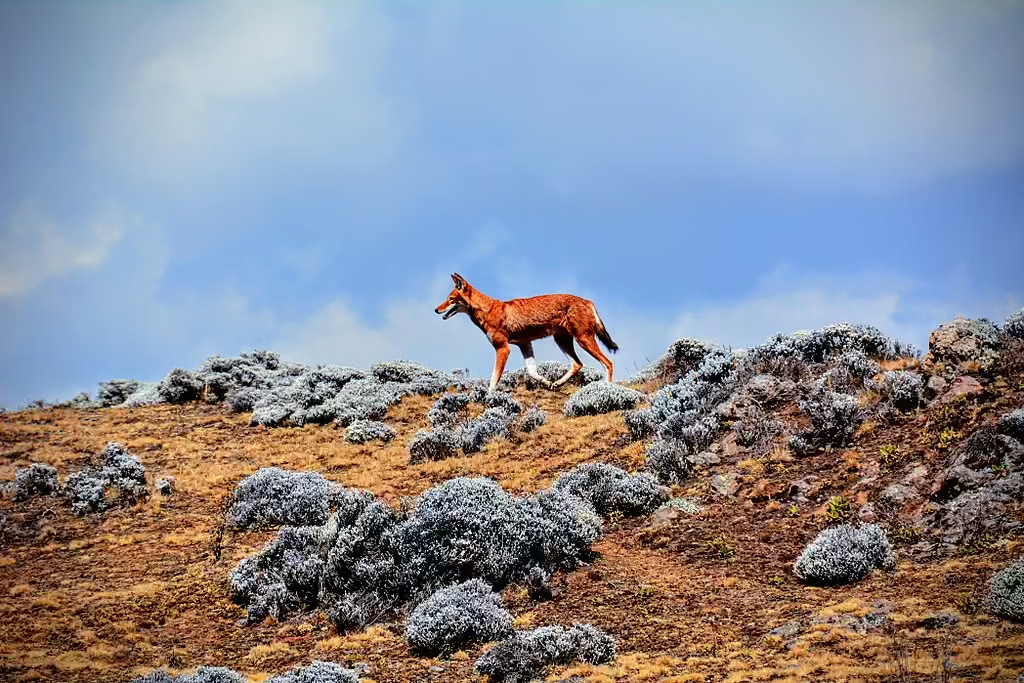
The park is home to over 60 mammal species, including the Ethiopian wolf, giant mole rat, and Menelik’s bushbuck. Birdwatchers can enjoy sightings of over 280 species, including the endangered blue-winged goose and Abyssinian catbird.
It’s a paradise for nature lovers, hikers, and anyone looking to experience Ethiopia’s unique biodiversity far from the crowds.
Best Time to Visit Bale Mountains National Park
| Season | What to Expect |
|---|---|
| Oct – Mar | Dry season, great for trekking and wolf spotting |
| Apr – May | Some rain, but forests are lush and birding is good |
| Jun – Sep | Rainy season, misty views, slippery trails |
Tip: Sanetti Plateau is best accessed from November to February for clear conditions.
Top Things to Do in Bale Mountains National Park
Track the rare Ethiopian wolf on the Sanetti Plateau
Hike the mystical Harenna Forest for birds and primates
Summit Tullu Dimtu, Ethiopia’s second-highest mountain
Go birdwatching in alpine lakes and cloud forests
Visit local Oromo communities and traditional villages
Frequently Asked Questions (FAQ)
Q: Where is Bale Mountains National Park located?
A: It’s in southeastern Ethiopia, about 400 km from Addis Ababa.
Q: Can I see Ethiopian wolves?
A: Yes, especially on the Sanetti Plateau during the dry season.
Q: Are guided treks available?
A: Absolutely. Local guides and scouts lead multi-day or day hikes.
Q: Is Bale good for birdwatching?
A: Yes, it’s one of Ethiopia’s top birding destinations.
POPULAR DESTINATIONS
Why Visit Bale Mountains?
Bale Mountains offers a quiet, scenic, and wildlife-rich escape into the highlands. With rare animals, cloud forests, and dramatic plateaus, it’s ideal for adventurous trekkers and wildlife lovers.